





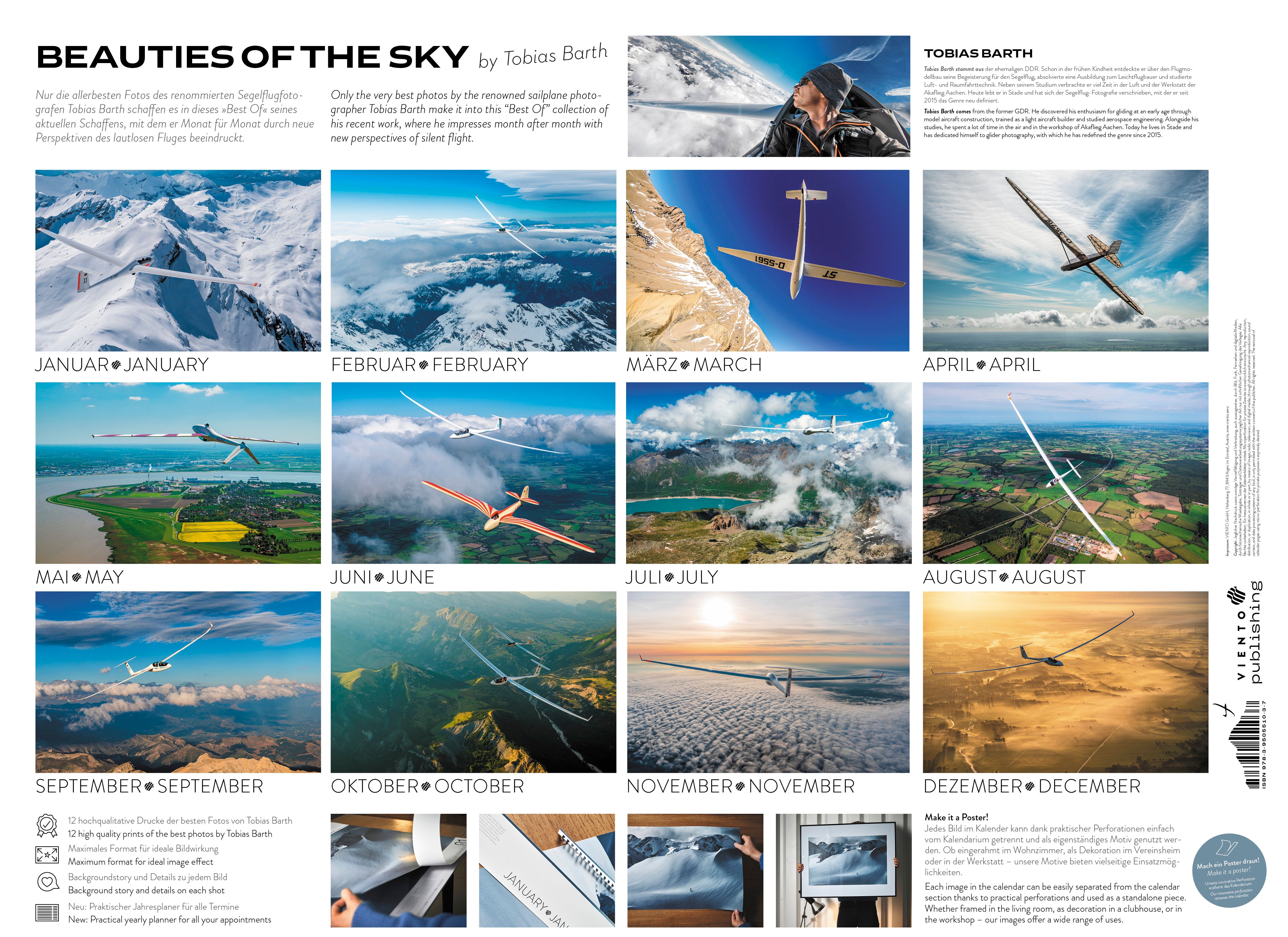
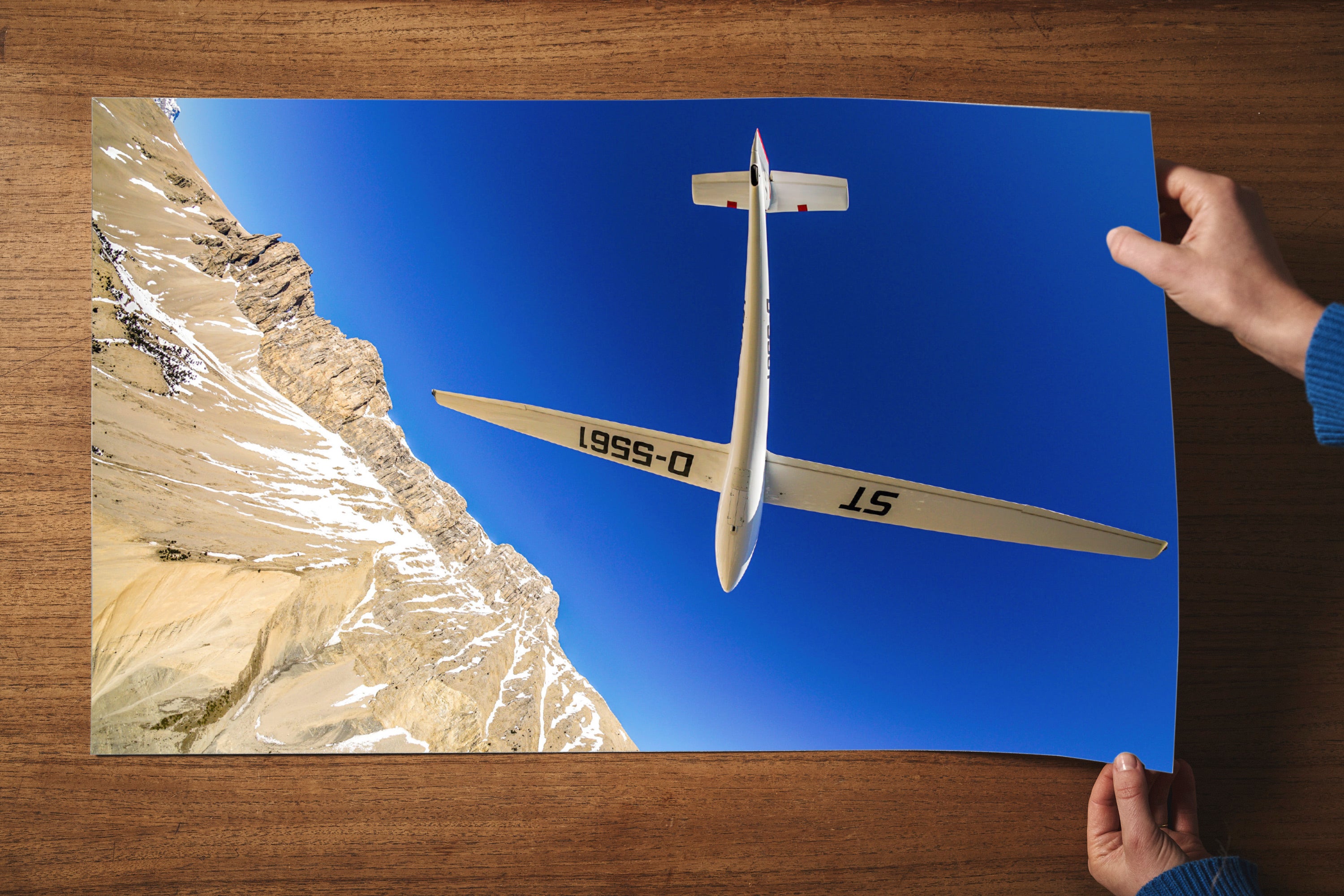
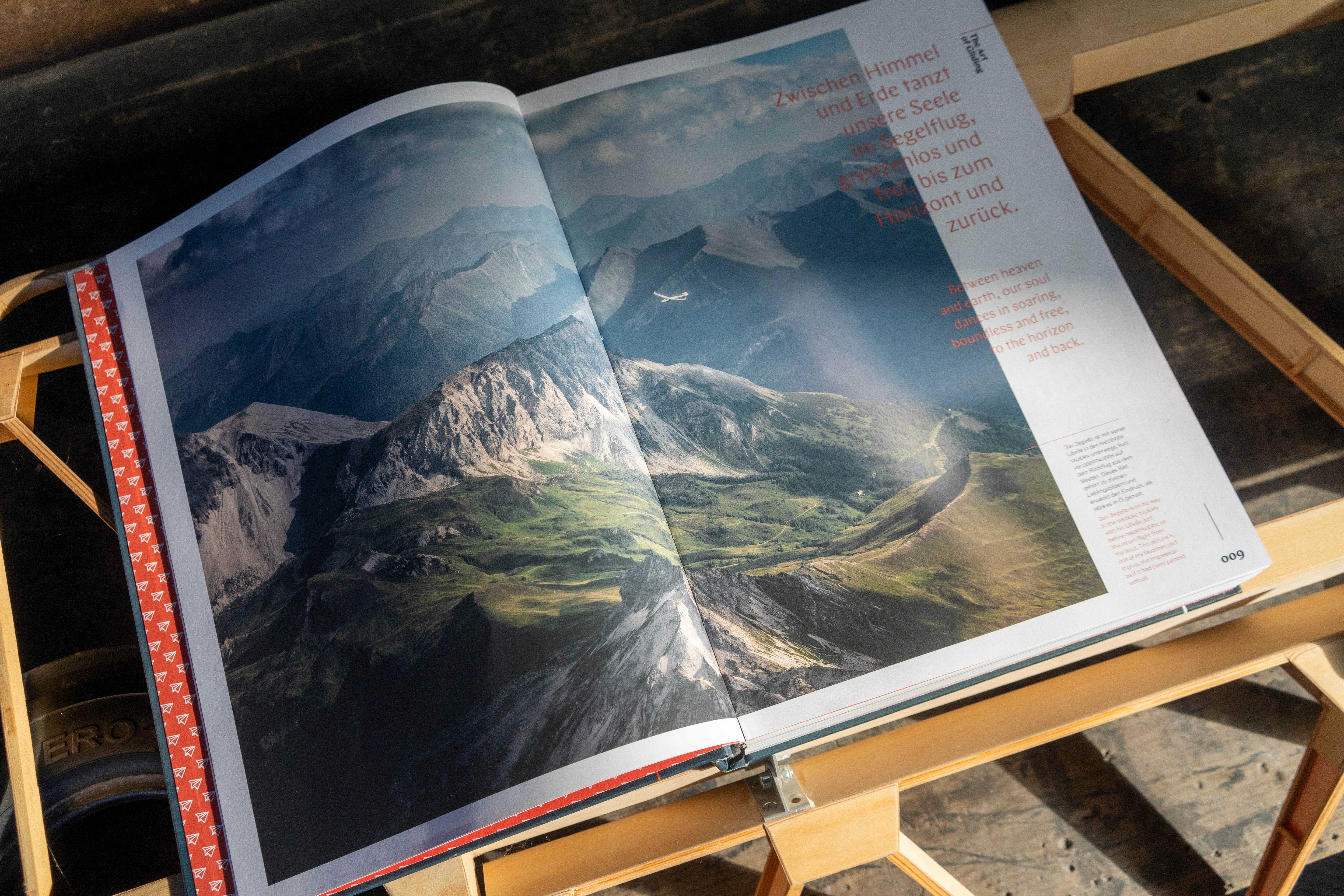
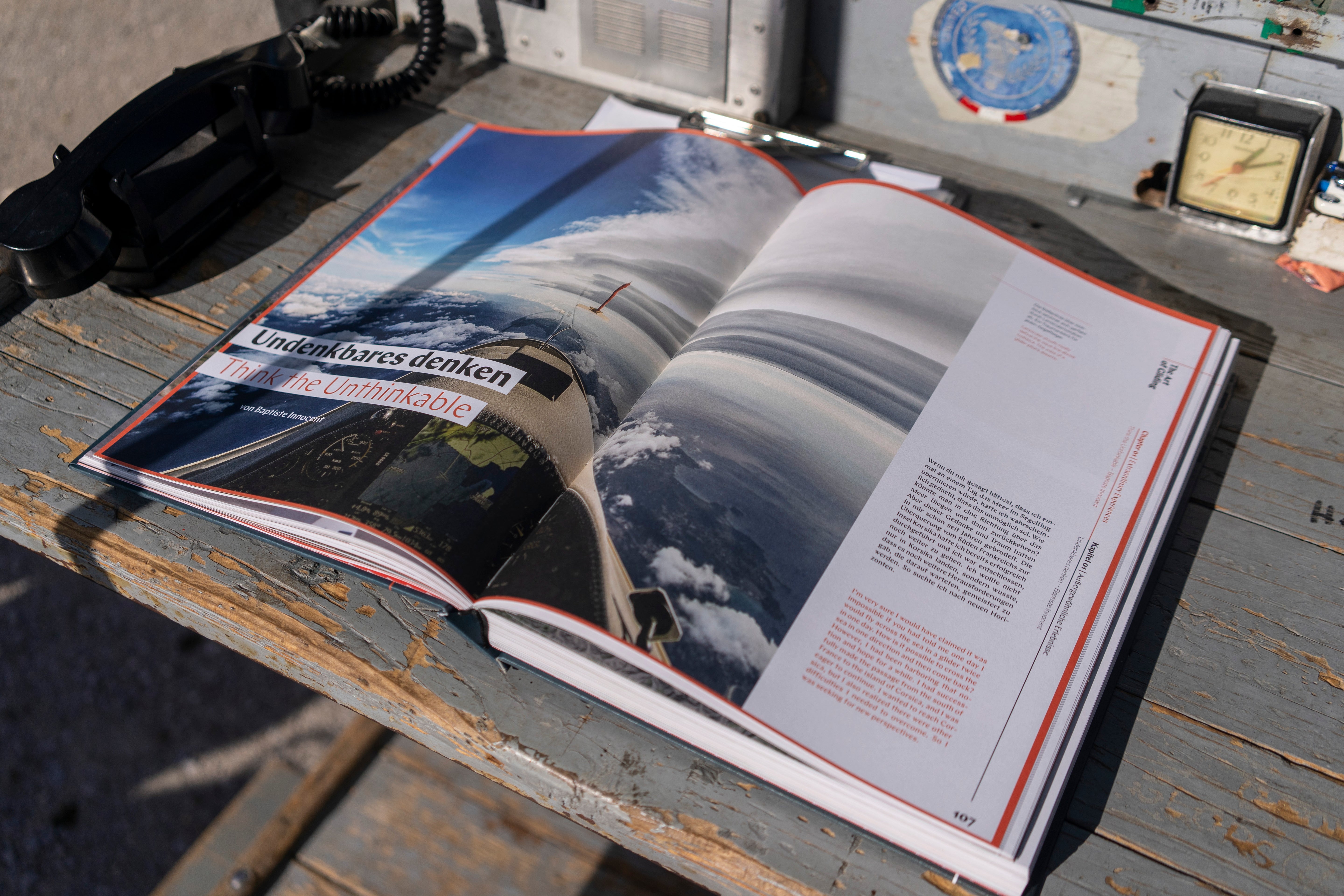
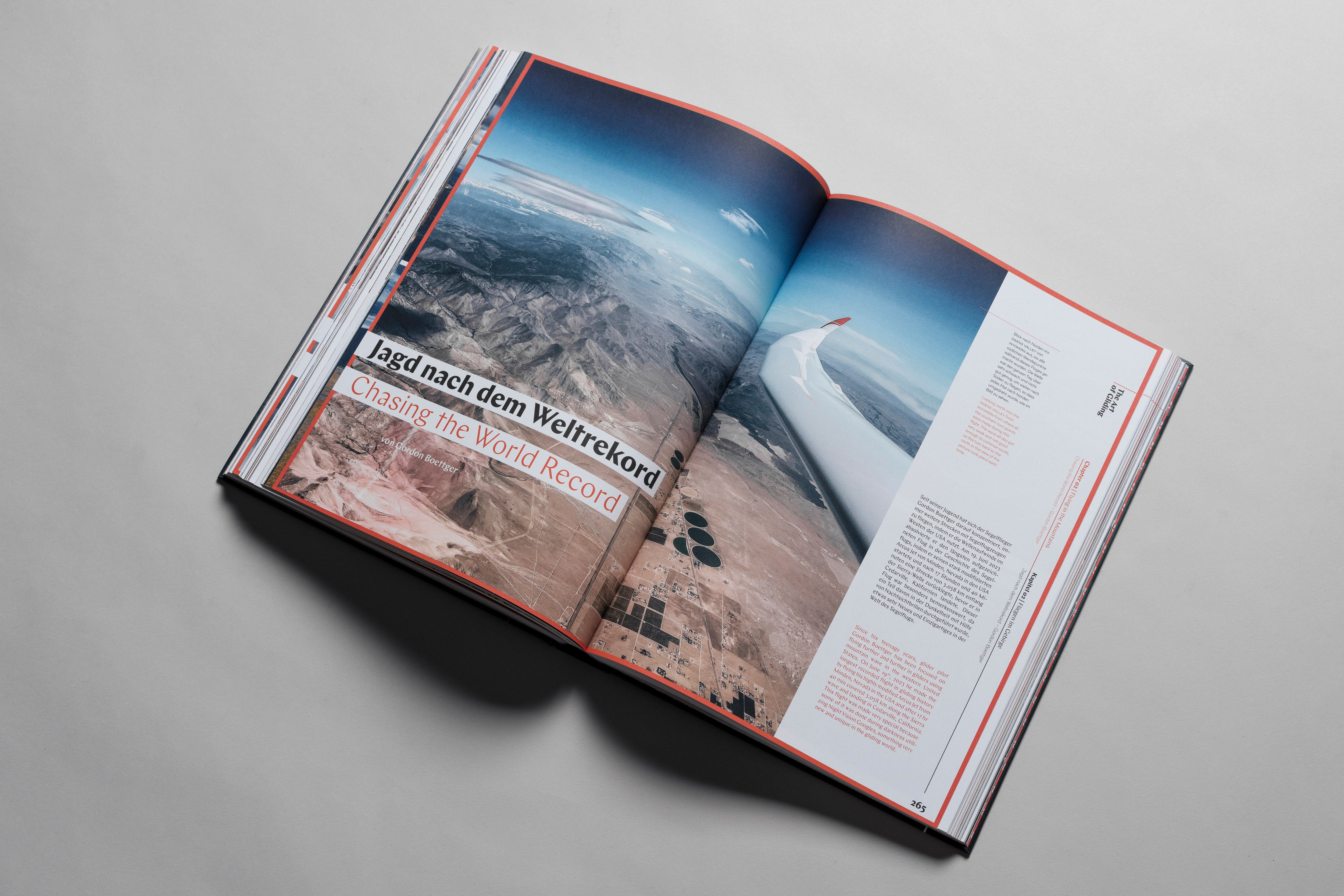
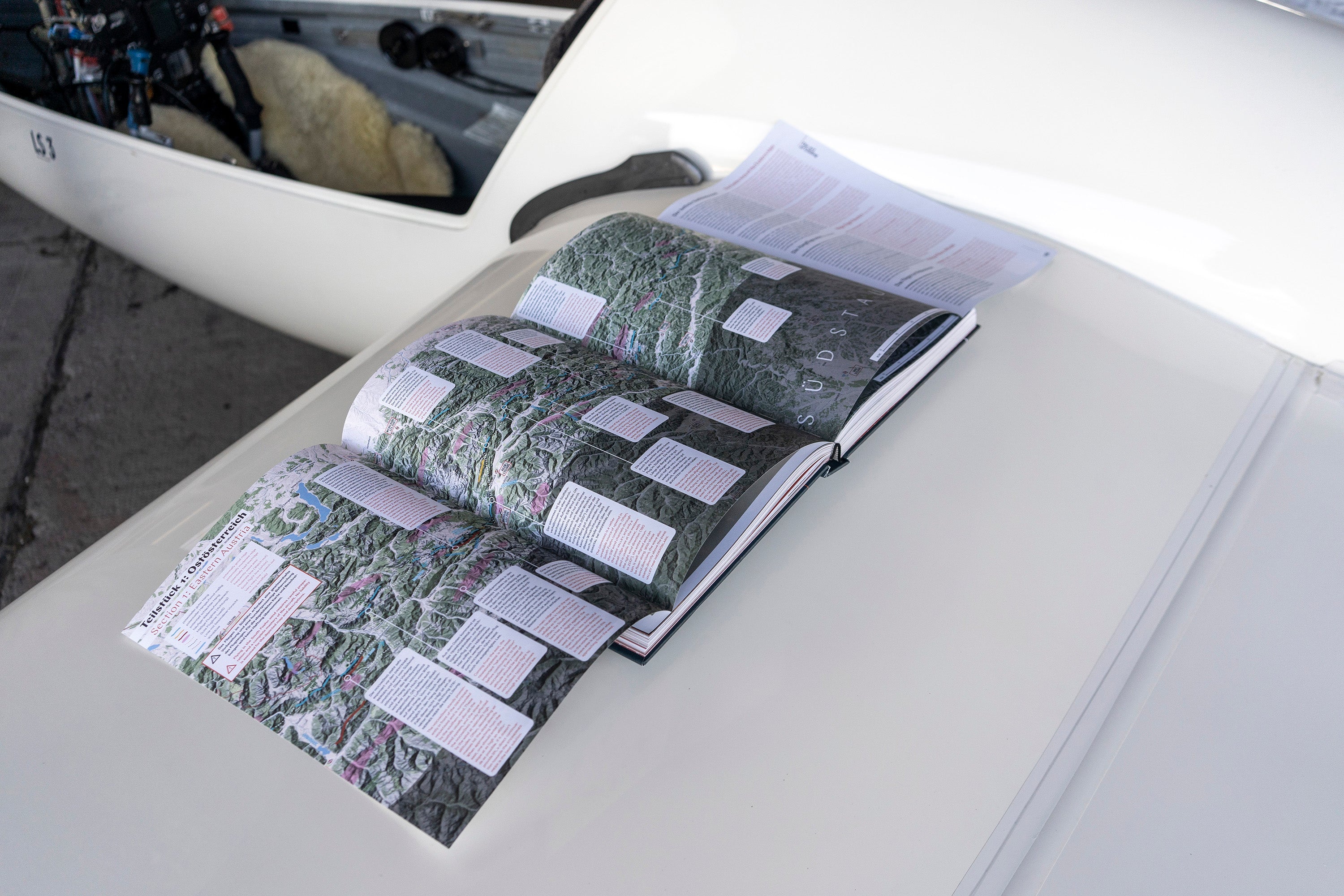
















The south of France is one of those wonderful places in Europe.
The sun almost always shines. The days seem endless. The terrain ranges from sandy beaches to arid plains to steep mountains. The urban areas range from lively towns to sleepy villages and everything in between. And most importantly: the gliding conditions are unique (and they have pastis). Barcelonnette, Saint Crépin, Puimoisson, Saint Auban, Aubenasson, Sisteron, Serres, ...
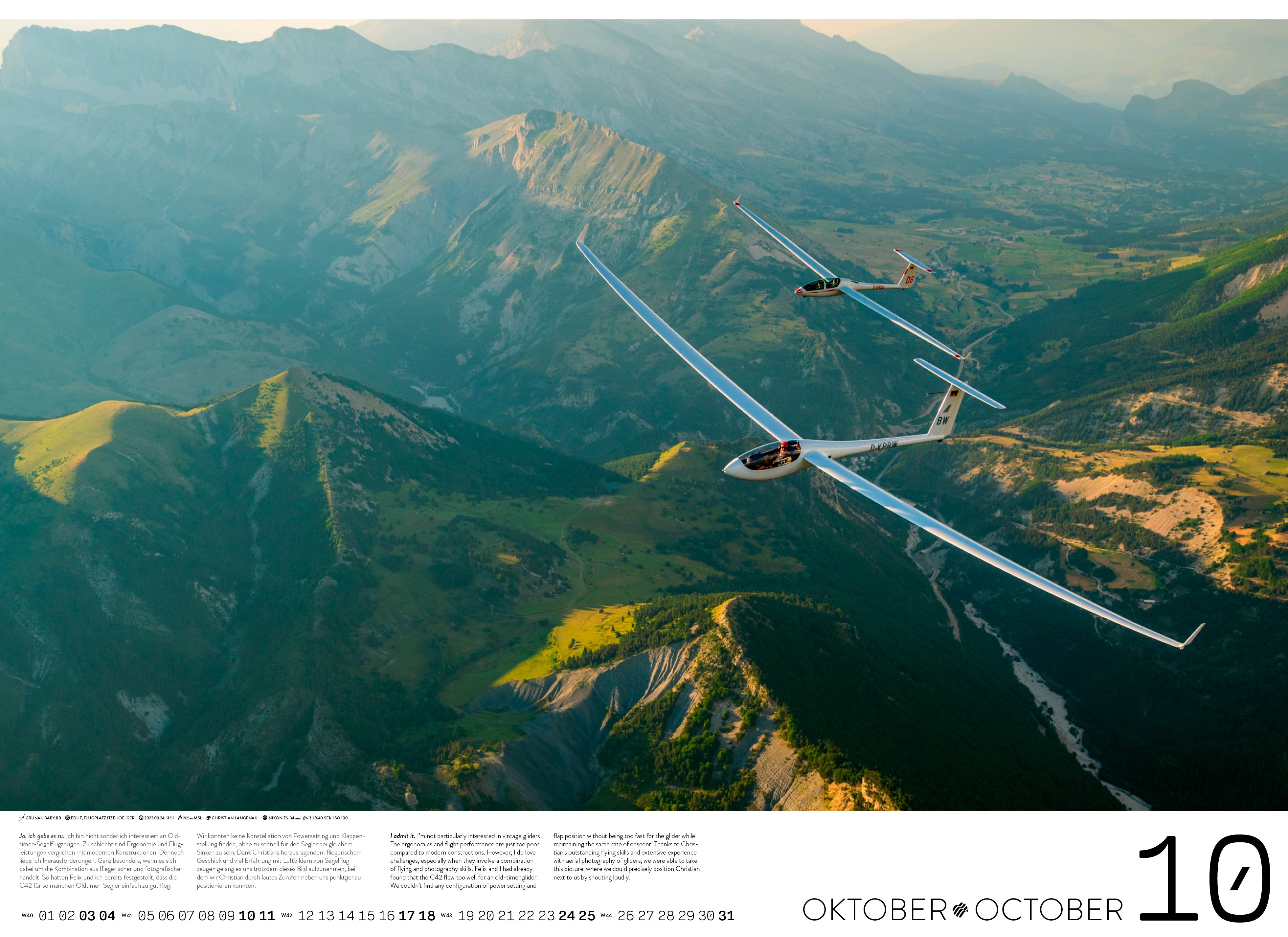
There are many famous airfields in the French Alps, and each one has its own unique characteristics.
Every glider pilot can find an airfield that suits them best. You’ll find everything from huge to tiny, grass (or rather dirt) and concrete, professionally run and laid-back, located on the plains and surrounded by steep mountains, with coaching or on your own. Vinon is one of these well-known airfields. It lies on the southern edge of the Valensole Plateau, northeast of Aix-en-Provence, with the scent of lavender in the air. Renowned pilots such as Gérard and Jean Noël Herbaud, Paul Janssens, Alain Poulet, Didier Hauss, and Gilles Navas call this place home. Their vast experience is invaluable to every visiting pilot, whether in their role as coaches or as role models to emulate in order to achieve their own flights and goals.


Compared to other airports in the French Alps, Vinon is located significantly further south.
Pilots who want to fly long-distance tasks—perhaps even a four-digit task—need to keep in mind that the first 70 km to the mountains near Puimoisson can often be challenging, as blue-sky conditions are common early in the day. But in return, pilots spending their vacation in Vinon are rewarded with a beautiful experience in the evening: Final approaches of up to 150 km are very common due to the immense difference between the cloud base in the mountains (+4,000 m) and the altitude of the airfield (275 m). It’s a fantastic way to end a flight in which you’ve circled the Matterhorn or even the Furka Pass.

Vinon Airfield, with its numerous runways, has hosted competitions such as the European and World Gliding Championships. It is one of those places every pilot should visit at least once in their gliding career.
As soon as a light breeze sweeps across the runway, the pilots leave the shade of the trees and prepare their gliders. The breeze signals the start of thermal activity in the mountains, so everyone wants to take off as quickly as possible. Thanks to good organization and short tows to a nearby small hill, the entire process runs smoothly. The first gliders group together and set off for Puimoisson and the Serre de Montdenier. On this often clear part of the flight, it’s helpful to have some company. After crossing the “Plateau,” life becomes much easier with a good connection to the world-famous “Parcours du Combattant.”

 |
 |

On days when the gentle breeze turns into a strong northwesterly current, the nearby peaks of the Montagne de Lure and the Luberon seem close enough to touch. A designated airspace for gliders allows for climbs up to FL280.
After the slopes of the Montagne de Lure and the Luberon, one of the best slopes in the Alps—at the Pic de Bure—is just a stone's throw away.
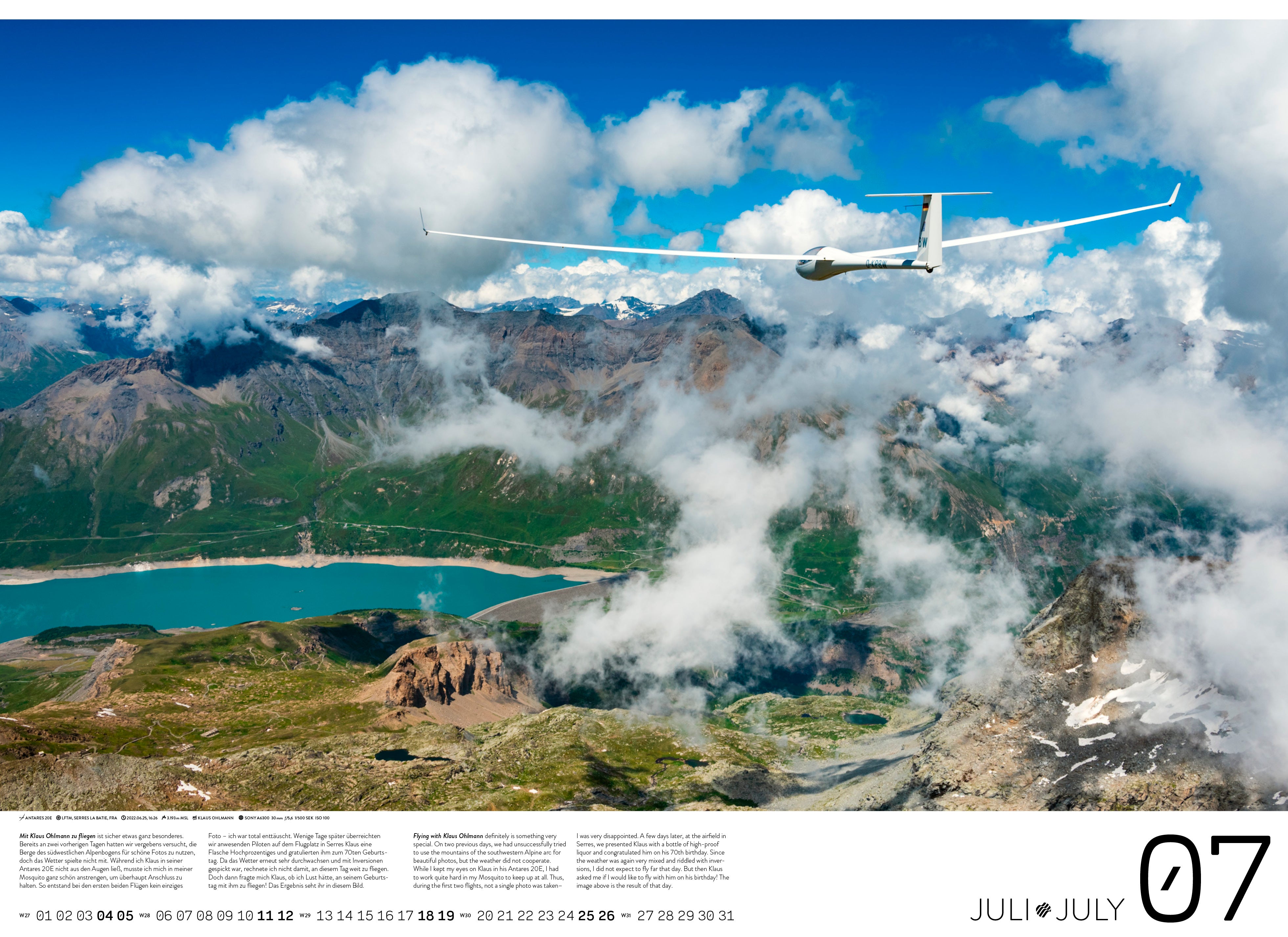
On your way to Italy and Switzerland—for example, to the beautiful Lac du Mont-Cenis—you shouldn’t miss this hotspot. For those who are up for the challenge of tackling big flights in Mistral conditions, Vinon is the perfect place to launch.

During my last stay in Vinon, I had blue skies on the first day. Over the next few days, magnificent cumulus clouds formed with a base altitude of 5,000 m, and eventually we had a few thunderstorms. Five consecutive days of flying with distances of 600–700–800–900–600 km. The Alps remain a very interesting place to fly, even for a short trip.


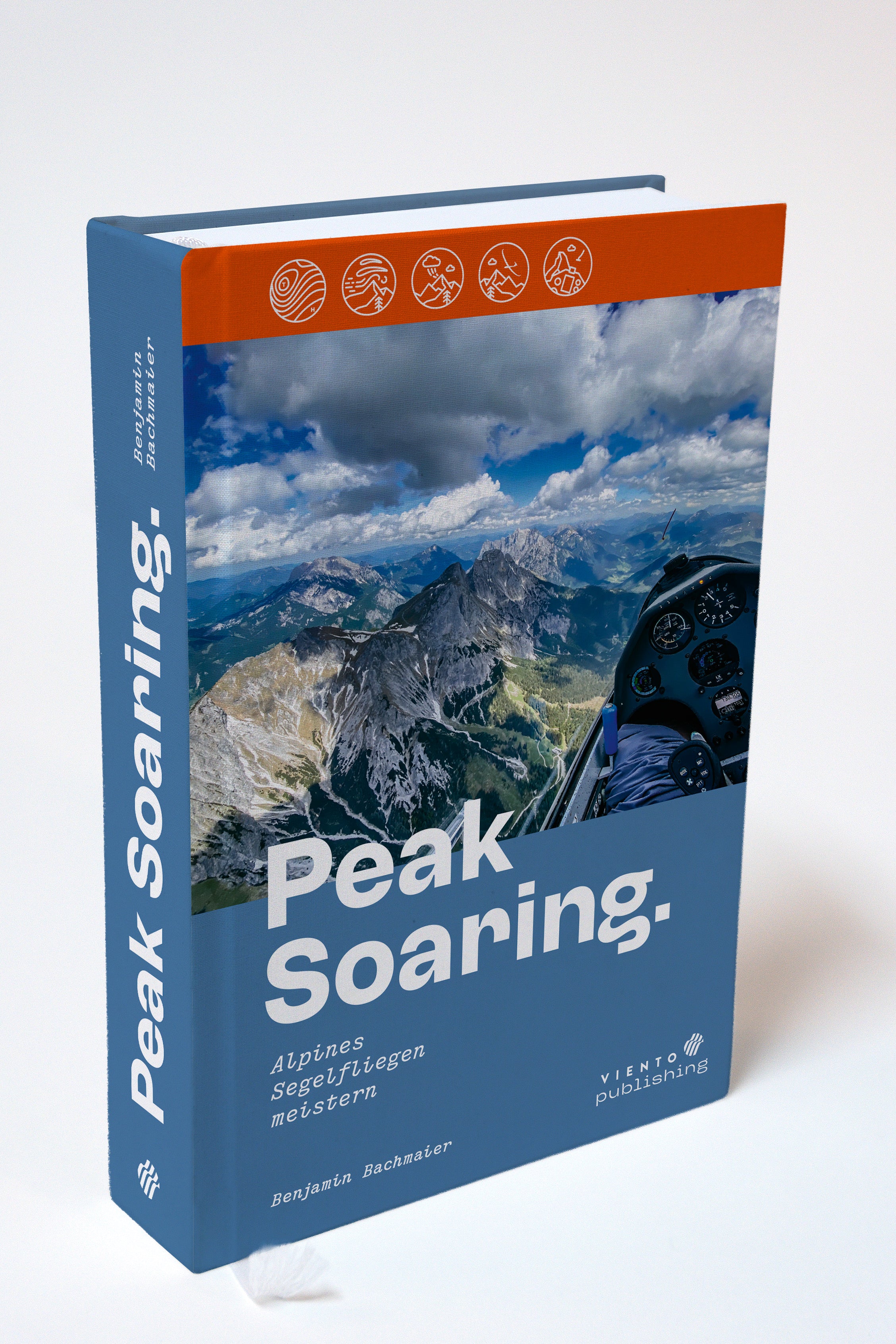
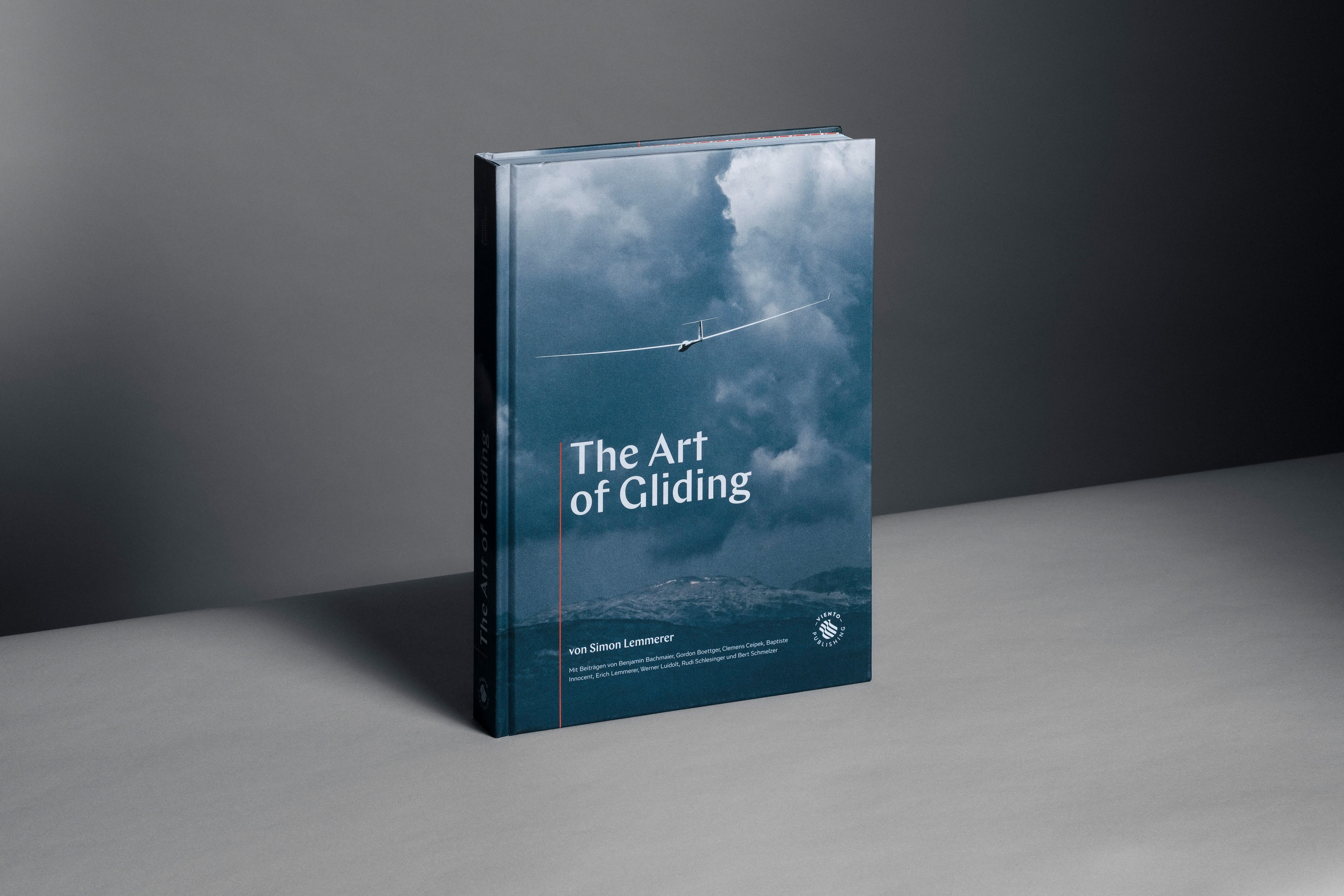
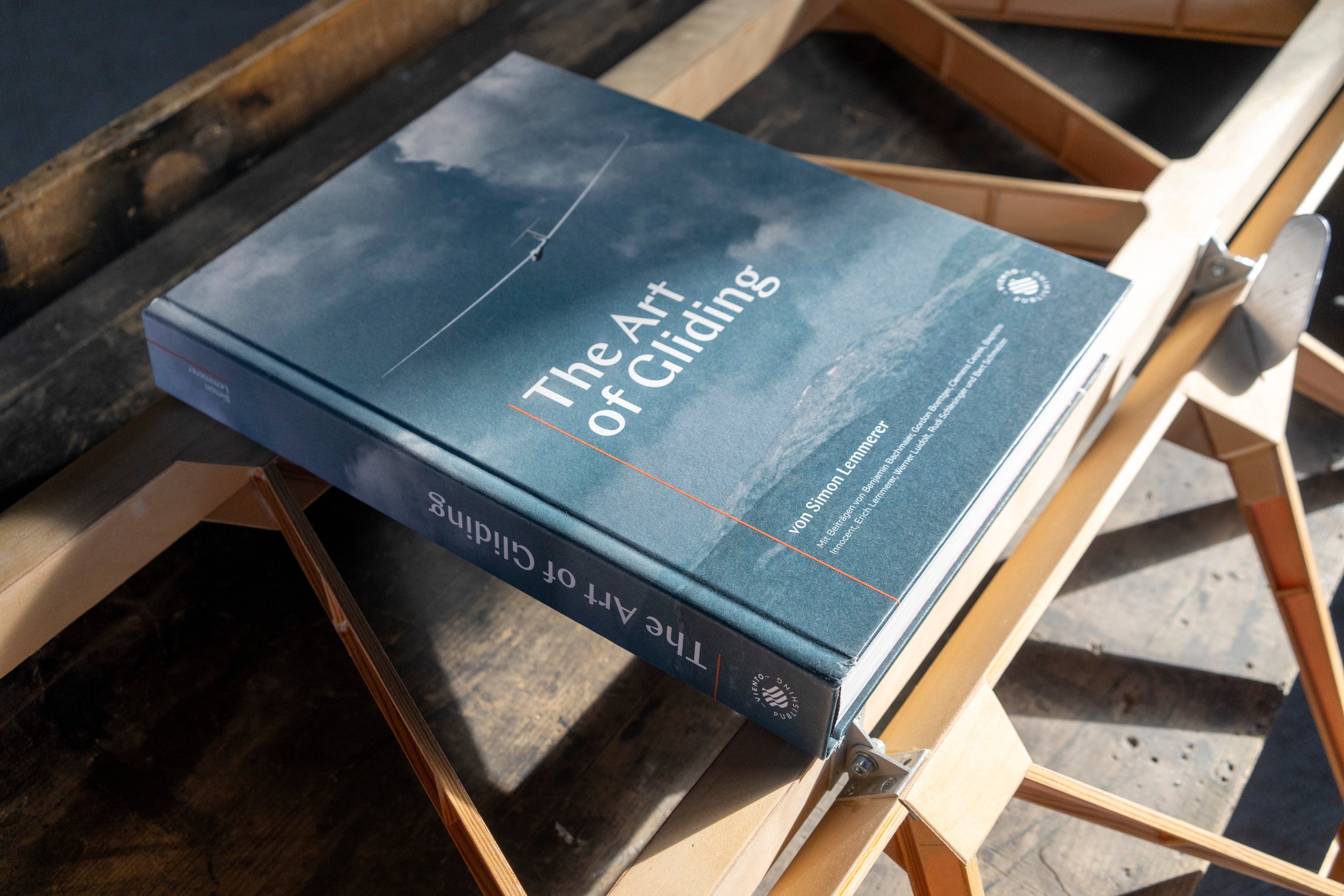
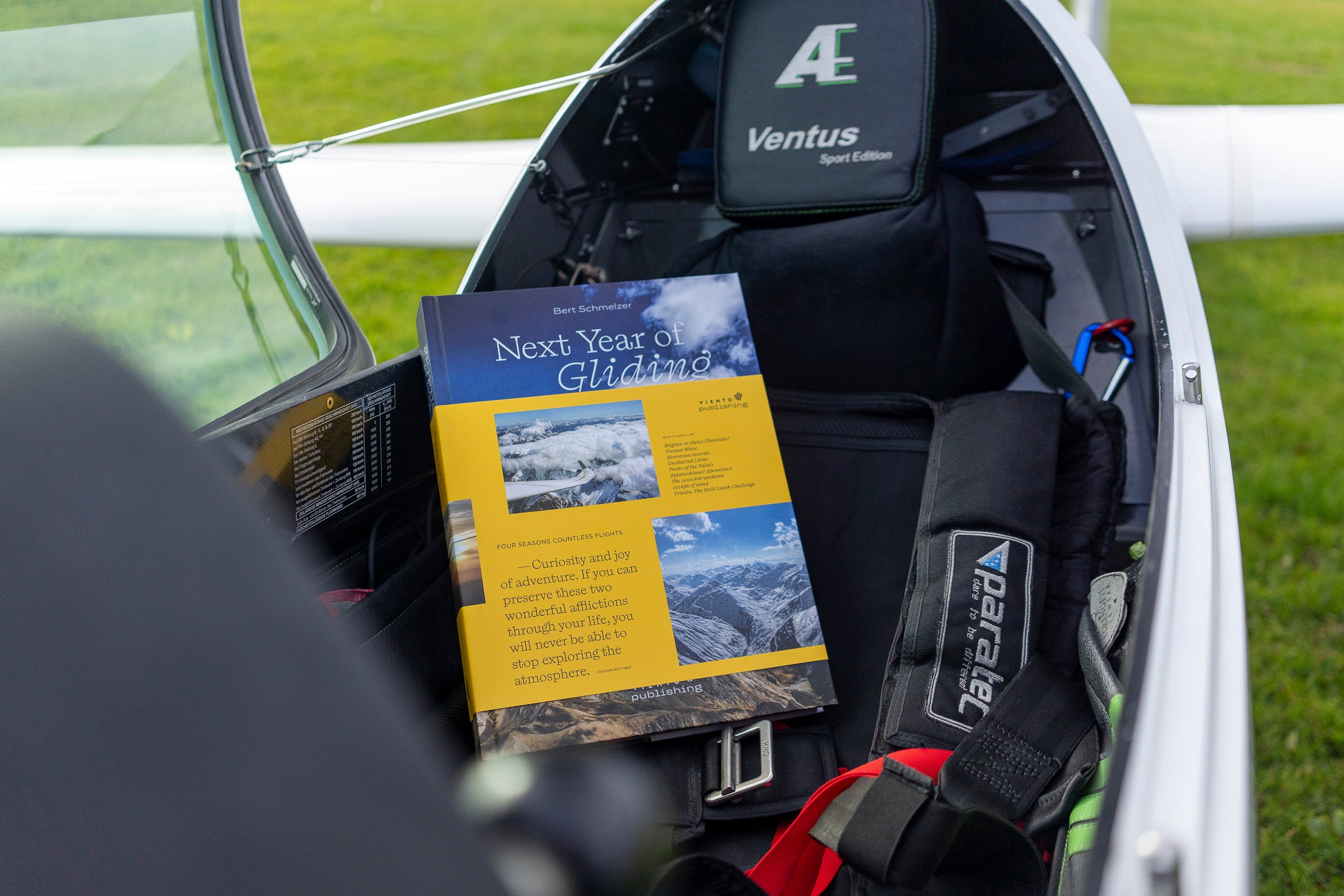
You can find the whole story and much more in Bert Schmelzer’s book—in a deluxe edition featuring stunning photos!


